
- Home Page
- Company Profile
-
Our Products
- HERBAL EXTRACTION PLANT
- Annatto Seed Extract Plant Manufacturer of India
- Coleus Extract(10-40%) Extraction Plant
- Frankincense Oil
- Silymarin Extraction Plant
- Amla Extraction Plant (Vit C Rich)
- Green Tea Extract Plant manufacturers of india
- Aloe Vera Extract Manufacturer of India
- Adhatoda Vasica Extraction plant
- jasminum sambac (concrete / absolute / wax) Extarction Plant
- Natural health products Extraction plant
- Adhatoda Vasica Extract Manufacturer of India
- Aromatherapy wood oils Extraction Plant
- Terminalia Arjuna Bark Extract Plant Manufacturer of India
- Moringa Leaf Extract Plant Manufacturer of India
- Botanical Herbal Extraction Plants
- Hathawariya Extraction Plant ,
- Gymnema Sylvestre Extract Plant manufacturers of india
- Ivy Leaf Extraction Plant
- Cissus Quandragularis Extract Manufacturer of India
- Aromatherapy oils Extraction Plant
- Boswellia Serrata Herbal Extraction plant
- Juniper Berries Distillation Plants
- Curcumin 95% Extraction Plant
- Curcumin Extract 95% Extraction Plant
- Centella Asiatica Extraction plant
- AMLA SOLVENT EXTRACTION PLANT
- Phyllanthus Amarus Niruri Extract Plant Manufacturer of India
- Bambusa Arundinacea (Vanshlochan) Manufacturer of India
- Beetroot Extract Manufacturer of India
- Fenugreek Extraction plant
- Curry Leaf Extraction PLANT
- CALICIUM SEN NOSIDES AND SENNA LEAVES EXTRACTION PLANT
- Kaladana Seed Extract Plant Manufacturer of India
- Mucuna Seed Extract Plant Manufacturer of India
- HERBAL EXTRACTION PLANT MACHINERY
- SALACIA RETICULATA EXTRACTION EQUIPEMNT
- Airvalanta Extraction Plant
- STAINLESS STEEL SALACIA RETICULATA EXTRACTION PLANT
- Ashwagandha / Withania somnifera Extraction Plant
- ACETYLDIGOXIN Extraction Plant
- Elderberry Extract 20% Anthocyanidins Extraction Plant
- Beheda extraction plant
- Boswellia serrata extraction plant
- MARI GOLD AND LUTIEN EXTRACTION PLANT
- Herbal supplements Extraction plant
- Black Cumin extraction plant
- Lycopene Extract(10-20%) Extraction Plant
- MARI GOLD / LUTIEN EXTRACTION PLANT
- Turmeric herbal extraction plant manufacturers of inida
- Amla Extraction Plant
- Traditional herbal remedies Extraction plant
- Ark Leaves extraction plant
- Chirata Extraction plant
- Amla extractor plant
- Griffonia Simplicifolia Extract Plant manufacturers of inida
- Green Coffee Extract Plant manufacturers of india
- Inula Racemosa Extract Plant Manufacturer of India
- Guggul Extract Plant manufacturers of india
- Green Coffee Bean Extract Plant manufacturers of inida
- Colostrum 25 30% IGG Extraction Plant
- Herbal Essential Oil Extraction Plant
- VASICINE Extraction Plant
- Bitter Melon Extract Manufacturer of India
- Mulberry Leaf Extract Plant Manufacturer of India
- BROMELAIN PINEAPPLE ENZYME EXTRACTION PLANT
- FLORAL ROTARY EXTRACTORS
- Asparagus Extract Manufacturer of India
- Coleus Forskohlii Extract Coleus Forskohlii extraction plant
- MULT HERBAL EXTRACTION PLANT
- NOR BIXIN EXTRACTION PLANT
- Tribulus Terrestris Extract Plant
- Bavachi Seed Extract Plant Manufacturer of India
- Banaba Extract Manufacturer in india
- HERBAL EXTRACTION PLANT MANUFACTURERS IN INDIA
- HERBAL EXTRACTION MACHINERY
- AJWAIN OLEORESIN EXTRACTION PLANT
- FENNEL SEED OLEORESIN EXTRACTION PLANT
- HERBAL EXTRACTION UNIT
- HERBAL EXTRACTION SYSTEMS
- PHYTO CHEMICALS HERBAL EXTRACTION PLANT
- HERBAL EXTRACTION PLANT MANUFACTURERS IN HYDERABAD
- High Performance Herbal Extraction Plant Manufacturers in Maharastra
- HERBAL EXTRACTION PLANT MANUFACTURERS IN TAMILNADU
- HERBAL EXTRACTION PLANT MANUFACTURERS IN KARNATAKA
- HERBAL EXTRACTION PLANT WITH DISTILLATION
- STAINLESS STEEL HERBAL EXTRACTION PLANT
- HERBAL EXTRACTION PLANT MANUFACTURERS IN KERALA
- HERBAL EXTRACTION EQUIPMENT
- MARIGOLD PIGMENT EXTRACTION PLANT
- MARIGOLD FLOWER EXTRACTION PLANT
- MARIGOLD DYE EXTRACTION EQUIPMENT
- MARIGOLD SOLVENT EXTRACTION PALNT
- Stevia Rebaudiana plant manufacturers in India
- High Efficiency Herbal Extraction Plant
- Acacia Catechu Extract Manufacturer of India
- Amla Extract Manufacturer of India
- Andrographis Paniculata Extract Manufacturer of India
- Bacopa Monnieri Extract Manufacturer of India
- Berberis Aristata Extract plant Manufacturer of India
- Black Cumin Extract Manufacturer of India
- Black Pepper Extract Manufacturer of India
- Boswellia Serrata Extract Manufacturer of India
- Boswelli Serrata Manufacturer of India
- Caralluma Fimbriata Extract Manufacturer of India
- Centella Asiatica Extract Manufacturer of India
- Cinnamon Bark Extract Manufacturer of India
- Spinach Manufacturer of India
- Coleus Forskohlii Extract Manufacturer of India
- Curcuma Longa Extract Manufacturer of India
- Curry Leaf Extract Manufacturer of India
- Deglycyrrhizinated Licorice Manufacturer of India
- Fenugreek Extract Manufacturer of India
- Garcinia Cambogia Extract Manufacturer of India
- Garcinia Mangostana Extract Manufacturer of India
- Garlic Extract Manufacturer of India
- Ginger Extract Manufacturer of India
- Ganuga seed Manufacturer of India
- Glycyrrhiza Glabra Extract manufacturers of inida
- Ocimum Sanctum Tulsi Extract Plant Manufacturer of India
- Onion Extract Plant Manufacturer of India
- Papaya Leaf Extract Plant Manufacturer of India
- Picrorhiza Kurroa Root Extract Plant Manufacturer of India
- Pterocarpus Marsupium Extract Plant Manufacturer of India
- Salacia Extract Plant Manufacturer of India
- Terminalia Bellirica Extract Plant Manufacturer of India
- Terminalia Chebula Extract Plant Manufacturer of India
- Triphala Extract Plant Manufacturer of India
- White Kidney Bean Extract Plant Manufacturer of India
- Withania Somnifera Ashwagandha Extract Plant Manufacturer of India
- Rhodiola Rosea Extract Plant Manufacturer of India
- Griffonia Simplicifolia Extract plant manufacturers of inida
- Sugar Molous Extract Plant Manufacturer of India
- Red Chilli Extract Plant Manufacturer of India
- Kalmegh Extract Plant Manufacturer of India
- Artemisa Anna extraction plant manufacturers of inida
- Rauwolfia Serpentina extraction plant manufacturers of inida
- Milk Thistle Seed extraction plant manufacturers of inida
- Cinchona Bark extraction plant manufacturers of inida
- Stevia Rebaudiana Extract Plant Manufacturer of India
- Rosmarinus Officinalis Extract Plant Manufacturer of India
- Passiflora Incarnata Extract Plant Manufacturer of India
- Boswellia Serrata 65%,70%,75%,80%,85%,90% by Titration
- Boswellia Serrata 20%,25%,30%,45%,50% and 60% by HPLC
- Boswellia Serrata Granules
- Boswellia Oleoresin
- Calcium Sen-noside / Cassia Angust-ifolia
- Curcumin Extract 95%
- Grape Seed Extraction Plant
- Quercetin Extraction Plant
- Berberine HCI (97%)Extraction Plant
- Boswellia Serrata Granules Extraction Plant
- Kalmegh Extraction Plant
- Carrot Seeds & Berries Distillation Plants ,
- Cascarilla (Bark) Wood / Bark Distillation Plants
- Cubeb /java Pepper (Berries) Distillation Plants
- Hops (Flowers / Cones) Leaves Oils Distillation Plants
- Celery Seeds & Berries Distillation Plants
- Saw Palmetto Extract 45% Fatty Acids Extraction Plant
- Echinacea Extract 4% Polyphenols (UV) Extraction
- sera Extraction Plant
- SOLVENT EXTRACTION PLANT
- Moringa Extraction Plant
- Rutin 0.95 Extraction Plant
- Gotukola Extraction plant (Centella Asiatica) ( Asaticosides 40%
- Rutin 95% Rutin (UV) Extraction Plant
- Akkapana Leaf Extraction Plant
- Spices Oleo resin Extraction Plants for Ajwain
- Fava Bean Extraction Plant
- Senna Extraction Plant(10-60%)
- Guggul 2.5% Extraction Plant
- Natural Colour Extraction Plant for Roots - Turmeric / Blood Root
- Natural Colour Extraction Plant for Leaves - Woad
- Cassia Extraction Plant
- Boswellia Serrata Extraction plant
- Extraction plant for Ayurveda extracts
- Extraction plant for natural antioxidants
- Policosanol 0.6 Extraction Plant
- Rhizoma Extract 5% Beta Sitosterol Extraction Plant
- Calendula Extraction Plant
- Guduchi(Giloy) Extraction Plant
- Sesbania Grandiflora Leaf Extraction Plant
- Zeaxanthin 0.05 Extraction Plant
- DGL NMT 3% Extraction Plant
- Cissus(10-40%) Extraction Plant
- Terminalia Chebula Extract plant
- CRTO Extraction plant ( Ar-termones 40% and 70% Curcuminoids 30%, Water Soluble oil 20% )
- Purple Sweet Potato color Extraction Plant
- Organic floral absolutes Extraction Plants
- Botanical Extraction Plant
- Herbal Medicine Processing Plant solvent extraction plant
- Guggul Extraction plant (Commiphora Mukul) ( 2.5% Guggulsterones E & Z by HPLC & 10% by UV )
- Marigold Solvent Extraction Plant
- Kutki Extraction plant (Picrorhiza Kurroa) ( 2.5% Bitters ( Picroside & Cucroside)
- Solid Liquid extraction Plant
- Feverfew Extract 0.8% Parthenolide (HPLC) Extraction Plant
- Aswagandha Extraction Plant(5-10% Withanolides)
- Aloe Vera(100x/200x)Extraction Plant
- Podophyllotoxin 98% (HPLC Extraction Plant
- Garcenia Extraction Plant
- Giloy Tinospora Cordifolia) Extraction Plant
- Calcium Sennoside/Cassia Angustifolia Extraction Plant
- Annatto Extraction Plant(Natural Color Extract)
- Indigo Extraction Plant(Natural Color Extract)
- Deglycyrrhizinated Licorice Extraction plant ( 3% Glycyrrhizin by HPLC & Flavonoids 1% )
- Papaya Leaf Extract Plant
- Centella Asiatica Extraction Plant ( 10% To 40% Asiaticosides By HPLC)
- Wood Absolute Extraction Plants
- Manjista extraction plant( 2.5% Manjistin & Purpurin )
- Ark Leaves Extraction plant ( 30% Alkaloids )
- Bhringraj Extraction plant (Eclipta Alba) ( Alkaloides and wedloprotaloides )
- Glycyrrhiza Glabra Extraction plant( 5% to 25% Glycyrrhizin by HPLC )
- Fenugreek Extraction plant( 40% Lucin Saponisn By Gravimetry )
- Revand Chinni Extraction Plant ( 95% 3,4,5, Trihydroxy Stebine - o-b-d-g )
- Eclipta Alba Extraction plant ( 30% Bitters )
- Khair extract production plant solvent extraction plant
- Andrographis paniculata Extraction Plant solvent extraction plant
- GINGEROL Extraction Plant
- vinicia Rocia ( 95% Ajmlocin )Extraction Plant
- monarakudumbiya Extraction Plant
- Industrial Solvent Extraction Plant
- Dandelion (Taraxacum) Extraction Plant
- Aromatherapy resinsExtraction Plants
- Stevia Extract 98% Reb A (HPLC) Extraction Plant
- Ash Plantain Extraction Plant
- Sebania Grandiflora Extraction Plant
- Frangipani (concrete / absolute / wax) Extraction plant
- Organic protein powders Extraction Plants
- Annanthamool Extraction Plant
- Magnolia Absolute Extraction Plant
- Semi Automatic Solvent Extraction Plant
- Green Coffee Bean Extract plant
- Soy Isoflavones 40% Isoflavones Extraction Plant
- Natural flavor extracts Extraction Plant
- Iramusu Extraction Plant
- Diosmin/Hesperidin Extraction Plant
- Cutch extraction plant solvent extraction plant
- Phycocynin Extraction Plant (Natural color Extract)
- Beta Carotene Extraction Plant( Natural Color Extract)
- Bromelain Pineapple Enzyme Extraction Plant ,
- Natural Dye Extraction Plant (
- Ginseng Extraction Plant
- Burdock Root Extraction Plant
- Foliage - Indigo Natural color extraction plant
- Artemisa anna Extraction plant ( Artemisinin 95% )
- Toor Dal Protein Extraction Plant
- Fish Oil 0.5125 Extraction Plant
- Mucuna Pruriens Extract Plant Manufacturers
- Diosmin 0.95 Extraction Plant
- White Kidney Bean Extraction Plant
- Karela Extraction Plant
- Alkaloids Extraction Plants for Ergot
- Solvent Extraction Systems
- Champa Absolute Extraction Plants
- Natural Vitamin D3 From Lichen Extraction Plant ,
- THAIOCOLCHICOSIDE Extraction Plant
- Curcumin(Natural) Extraction Plant
- Grape Seed Extract Plant manufacturers of india
- Shilajit Extract Plant Manufacturer of India
- Jasminum grandiflorum (concrete / absolute) Extraction Plant
- Stevia 95% Extraction Plant
- CAMPTOTHECIN Extraction Plant
- Spices Oleo resin Extraction Plant for Fennel
- Herbal Andrographis Processing Unit solvent extraction plant
- Spice oil Extraction Plant
- Shoots - Golden Rod Brown Color Extraction Plant
- TURMERIC AND CURCUMIN SOLVENT EXTRACT PLANT
- Cocoa Beans Extraction Plant
- Curcuma Longa Extraction plant ( 95% Curcuminoids by HPLC )
- Red Basil color Extraction Plant
- Indian gooseberry extraction plant
- Acacia Catechu Extract Plant
- Cissus Quandragularis Extracton Plant
- Phosphatidylserine Extraction Plant
- Scutellaria 80% Baicalin Extraction Plant
- Passionflower Extract 4% Flavones Extraction Plant
- Caraway oleoresins Extraction plant
- Salacia Extraction Plant
- GINGER OLEO RESIN SOLVENT EXTRACTION PLANT
- Food grade extracts Extraction plant
- Asamodagam Extraction Plant
- Pink Lotus (concrete / absolute / wax) Extraction Plant
- Inula Racemosa Extract plant
- Gotu Kola Extraction Plant
- Spinach Extract plant
- Black Tea Extraction plant
- Bitter Melon Extraction plant( 2.5% to 10% Bitters by Gravimetry )
- Piperine Black Pepper Extraction plant
- Rauwolflia serpentina ( Reserpin 95% )Extraction Plant
- Star Flower Extract 5% Tannins Extraction Plant ,
- Bilberry Extract (UV) 25% Anthocyanidins Extraction Plant
- DEMETHOXY CURCUMINE Extraction Plant
- KEWADA EXTRACTION PLANT
- Mucuna Pruriens Extract Plant Manufacturer of India
- Kava Extract Plant Manufacturer of India
- Adix 5% Beta Sitosterol Extraction Plant
- Bromelain 2400 GDU 21 Cactus Extract 10% Glycoside Extraction Plant
- Jamun Extraction Plant (Natural Color Extract)
- Zeaxanthin Natural Color Extraction Plant
- lunuwilla Extraction Plant
- Phyto Chemicals Herbal Extraction Plant
- Kaladana Seed Extraction Plant
- Olive Leaf Extract 20% Oleuropein Extraction Plant
- Andrographis Leaf Extract Plant solvent extraction plant
- Licorice Extraction Plant 20% (HPLC) Solvent
- Berberis Aristata Extraction plant( 97% By HPLC )
- PACLITAXEL Extraction Plant
- Glucosamine Sulfate Extraction Plant
- Kelp Extract 20% Polysaccharide (UV) Extraction Plant
- Soy Isoflavones 10% Isoflavones Extraction Plant
- Tetrahydrocurcumin 95% (HPLC) Extraction Plant
- Artichoke Extraction Plant
- Cranberry Extraction Plant
- Ambrette Seed extract Extraction Plant
- Shatavari Extraction Plant
- Curcumin Solvent Extraction
- Coleus Extraction Plant
- Lycopene Extraction Plant(Natural color Extract)
- xanthophyll Natural Color (Natural Color Extract)
- Indian Sandalwood extract Extraction Plant
- ARTEETHER Extraction Plant
- Spices Oleo resin Extraction Plant for Coriander
- ASIATIC ACID Extraction Plant
- Soya Isoflavone Extraction Plant
- Protien Extraction Plant for Soya Beans
- Trimyristin 95% Extraction Plant
- Beta-Sitosterol 30%, 60% Extraction Plant
- Vegetable dyes Extraction Plant
- Medicinal Plant Extraction Unit Plant
- Natural textile dyes Extraction Plant
- Echinacea Purpurea Extraction plant ( Saponins )
- Ganoderma Extract 20% Polysaccharides Extraction Plant
- L DOPA Extraction Plant
- Cissus Quadrangularis Extraction Plant
- GLYCYRHETICINIC ACID Extraction Plant
- ANNOTTO EXTRACTION PLANT
- Rutin 95% Extraction Plant
- Pimiento oleoresins Extraction plant
- TAXOL Extraction Plant
- Natural Colour Extraction Plant for Grinds - Coffee ,
- Vinca Extraction Plant
- Tongkat Ali Extraction Plant
- Acai Berry Extract 10:01 Extraction Plant
- Tulsi Ocimum Sanctum Extraction Plant
- Natural cosmetic pigments Extraction Plant
- Mango Bark extraction plant( 90% Mangifirin )
- Garcinia Cambogia Extraction Plant(60% HCA)
- Herbal Immunity Booster Extract Plant solvent extraction plant
- Chirata Extraction plant ( 30% Bitters ) ,
- High protein extracts Extraction Plants
- Veg DHA 10% DHA Extraction Plant
- Red Champaca (concrete / absolute / wax) Extraction Plant
- Ganoderma Extract 20% Polysaccharide Extraction Plant
- Griffonia Seed Extract 50% 5-HTP Extraction Plant
- Dashmool Extraction Plant
- Floral Rose Extraction Plant
- White Champaca (concrete / absolute / wax) Extraction Plant
- Phytochemical herbal extraction plants
- Floral scent extracts Extraction Plants
- Karela Extraction plant ( 5% Bitters (Charintin)
- Asparagus Extract Powder plant
- US FDA NATURAL SWEETNER RESIN COLUMN SOLVENT EXTRACTION PLANT
- Valeriana Officinalis Extraction Plant
- Boswellia Serrata Extraction Plant 65% 85%(Titration) Solvents
- Coleus Forskohlii(10-20%) Extraction Plant
- High Efficiency Protein Extraction Plant
- Gymnema Extraction Plant
- Green Tea Extraction Plant
- Mulberry Leaf Extract plant
- Onion Extraction Plant
- SHILAJIT AQUA EXTRACTION PLANT
- Sustainable protein sources Extraction Plants
- Sea Buckthorn Extraction Plant
- Extraction plant for herbal tinctures
- Berberine Extraction Plant
- 200 TPD SOLVENT EXTRACTION PLANT
- THYMOL Extraction Plant
- Mucuna Pruriens Extraction Plant
- Oregano Oil Distillation Plant
- SEAWEED AQUA OR SOLVENT EXTRACTION MACHINE
- Vitex Lucoxylon ( 20% Corosollic Acid )Extraction Plant
- Chlorophyll Extraction Plant (Natural color Extract)
- Caffeine (Anhydrous) 0.99 Extraction Plant
- masbedda Extraction Plant
- Grape Seed Extract 95% Proanthocyanidin Extraction Plant
- Spices Oleo resin Extraction Plant for Capsicum
- Airvalanta extractor plant
- Natural Colour Extraction Plant for Roots - White Bedstraw
- Citrus Aurantium 30% Synephrine Extraction Plant
- Citrus Aurantifolia Extraction Plant
- Gingko Biloba Extraction Plant
- Maqui berry Extraction Plant
- Chaste Berry Extraction plant
- Spice concentrates Extraction Plant
- Vegan protein powders Extraction Plants
- Shatavari Extraction plant
- Natural Colour Extraction Plant for Vegatables - Black Carrot / Black Currant
- Lutein Extraction Plant(Natural Color Extract)
- Natural Color Extraction Plant for Berries - Sumac
- Soya Isoflavones 0.4 Extraction Plant
- Tagetes Extract 10% Carotenoids Extraction Plant
- Extraction plant for herbal remedies
- Green Coffee Bean Extraction Plant
- Shilajit Extraction Plant
- Nano Curcumin Extraction Plant
- Maca Root Extraction Plant
- BARGAPTIN Extraction Plant
- Essential Oil Distillation Plant
- Eucalyptus Leaves Orange Color Extraction Plant
- Roots - Iris Natural color Extraction plant ,
- All Berry Extraction Plant
- Lutein Free 40% Powder Extraction Plant
- Lycopene Extraction Plant (10-20%)
- STEVIOSIDE Extraction Plant
- ARTESUNATE Extraction Plant
- Rosehip Extract 30% Polyphenols, 10% Vit C Extraction Plant
- Lavender Oil Distillation Plant
- Natural Colour Extraction Plant for Skins - Red Onions
- Green Tea Extract Extraction Plant
- Spices Oleo resin Extraction Plant for Cassia / Cinnamon
- Natural Colour Extraction Plant for Leaves - Bay Leaves / Tea
- Echinacea Extraction Plant
- Floral Concrete & Absolute Extraction Plant for Jonquil
- Gum & Resin Extraction Plants for Myrrh / Opoponax
- Boswellia Serrata Extraction Plant 65% 85%(Titration) Solvents: Ethyl Acetate & Ethanol
- White Willow Extract 5% Salicin Extraction Plant
- Polpala Extraction Plant
- Passion Flower Extract 4% Flavones (UV) Extraction Plant
- AROMATIC OILS STEAM DISTILLATION PLANT
- MINI AROMATIC OIL DISTILLATION EQUIPMENT
- SPICE OIL AND OLEORESINS EXTRACTION PLANT
- Citrus Fruit Extract Plant Manufacturer of India
- Valeriana Officinalis Extract Plant Manufacturer of India
- Resveratrol Extraction Plant
- Ginger Extraction Plant
- Garcinia Cambogia(60% HCA)
- DIGOXIN Extraction Plant
- Hoodia Extract 0.417361111 Extraction Plant
- Natural Colour Extraction Plant for Grinds - Coffee
- Bromelain 2400 GDU Extraction Plant
- Indigo Natural Color Extraction Plant
- Annatto Natural Color Extraction Plant
- Astaxanthin Natural Color Extraction Plant
- Betaine Natural Color Extraction Plant
- Star Flower Extract 5% Tannins Extraction Plant
- Olive Leaf Extract 0.2 Extraction Plant
- Turnkey Herbal Extraction Plants
- Nutmeg essential oil Extraction Plant
- Dogwood /Mulberries / Elderberries /Blueberries Natural color extraction plant
- Beetroot Extract Powder plant manufacturers ,
- Leaves - Sumac Natural color Extraction plant
- Maca Extract 0.417361111 Extraction Plant
- Elderberry Extraction Plant
- Natural Colour Extraction Plant for Plant - Larkspur / Dyer's Broom
- Coffee Brown Color Extraction Plant
- Khair wood extraction plant solvent extraction plant
- Protein supplements Extraction Plants
- Banaba Extract Plant Manufacturers
- Flaxseed Extraction Plant
- ATROPINE SULPHATE Extraction Plant
- HYDROXY CAMPTOTHECIN Extraction Plant
- ETOPOSIDE Extraction Plant
- Spices Oleo resin Extraction Plant for Red Chilli
- White Willow Extract 15% Salicin (HPLC) Extraction Plant
- Garcinia Cambogia Extract 60% HCA (HPLC) Extraction Plant
- Spirulina Extract 60% Protein Extraction Plant
- Crataegus 0.417361111 Extraction Plant
- D-Biotin 0.99 Extraction Plant
- Epimedium 5% Icariin Extraction Plant
- Hulls -Walnut Brown Color Extraction Plant
- Rosmarinus Officinalis Extract plant manufacturers
- BERBERINE SULPHATE Extraction Plant
- IRINOTECAN HCL (7 ETHYL 10 HYDROXY(20S) CAMPTOTHECINE) Extraction Plant
- Rhodiola Extraction Plant
- Kewda (concrete / absolute / wax) extraction plant
- Green Tea 50% 90%Polyphenols Extraction Plant
- Shilajit 0.5 Extraction Plant
- Airvalanta extraction plant
- Avocado Soybeanasu Extraction Plant
- Echinacea Extract 4% Polyphenols (UV), Flavonoids Extraction Plant
- Natural Colour Extraction Plant for Flower - Hyacinth / Cornflower
- Mango Leaf Extraction plant
- Spices Oils Distillation Plants for Cassia (Bark)
- Spices Oleo resin Extraction Plant for Onion
- Coriander oleoresins Extraction plant
- Natural Colour Extraction Plant for Seeds - Annotto
- Rose Floral Solvent Extraction Plant
- Mung Bean Extraction Plant
- Cardamom oleoresins Extraction plant
- Soya Hydrolyzed Protein 75% 80% Extraction Plant
- Mulethi Licorice Extraction Plant
- Natural Colour Extraction Plant for Fruit - Avacado
- Wood Absolute Extraction Plants from Oak Moss (Moss / Lichen)
- Spices Oleo resin Extraction Plant for Clove Buds
- Epimedium Extract 20% Icariin (HPLC) Extraction Plant
- Berberine HCL Extraction Plant (97%)
- Boswellia Serrata Extraction Plant 65% 70% 75% 80% 85% and 90% by Titration
- Boswellia(AKBA) (10-90%Extraction Plant
- Schisandra Berry 25% 90% Fatty Acid & Sterols Extraction Plant machinery
- Skins-Red Onions Natural Color Extraction Plant
- Styrax Benzoin Absolute Gum & Resin Extraction Plant
- Nutritional protein isolates Extraction Plant
- Konjac (Glucomannan) Extraction Plant
- Arjuna Bark Extraction Plant
- HYOSCYAMINE Extraction Plant
- TURMERIC CURCUMIN EXTRACTION PLANT
- Semi Automatic Curcumin Extraction Plant
- TURMERIC CURCUMIN EXTRACTION PLANT
- TURMERIC OLEOREIN EXTRACTION EQUIPMENT
- CURCUMIN EXTRACTION MACHINERY COST IN TAMILNADU
- CURCUMIN EXTRACTION MACHINERY
- CURCUMIN EXTRACTION COMPANIES IN KERALA
- CURCUMIN EXTRACTION PLANT COST IN INDIA
- CURCUMIN EXTRACTION COMPANIES IN INDA
- OLEORESIN EXTRACTION PLANT
- OLEORESIN EXTRACTION PLANTS
- OLEO RESIN EXTRACTION PLANTS
- TURMERIC - CURCUMIN SOLVENT EXTRACTION PLANT
- FENUGREEK OLEORESIN EXTRACTION PROCESSING PLANT
- Organic spice oleoresins Extraction Plant
- CHILLI OLEORESIN EXTRACTION PLANTS
- Oleoresin Extraction Plant
- Cinnamon oleoresin Extraction Plant
- CAPSIACINOIDS OLEORESIN EXTRACTION PLANT
- MUSTARD OLEORESIN EXTRACTION PLANT
- CLOVE OLEORESIN EXTRACTION PLANT
- CUMIN OLEORESIN EXTRACTION PLANT
- CORIANDER OLEORESIN EXTRACTION PLANT
- CARDMOM OLEORESIN EXTRACTION PLANT
- OLEORESIN EXTRACTION PLANT MANUFACTURERS IN TAMILNADU
- OLEORESIN EXTRACTION PLANT MANUFACTURERS IN KERALA
- OLEORESIN EXTRACTION PLANT MANUFACTURERS IN HYDERABAD
- OLEORESIN EXTRACTION PLANT MANUFACTURERS IN INDIA
- SPICES OLEORESIN EXTRACTION PLANT
- MINI SOLVENT EXTRACTION PLANT
- MARIGOLD SOLVENT EXTRACTION PLANT MANUFACTURERS IN INDIA
- CURCUMIN SOLVENT EXTRACTION MACHINERY
- SOLVENT TURMERIC EXTRACTION PLANT
- BAYLEAF OLEORESIN EXTRACTION PLANT
- GARLIC OLEORESIN EXTRACTION PLANT
- CINNAMON BARK OLEORESIN EXTRACTION PLANT
- NUTMEG OLEORESIN EXTRACTION PLANT
- BLACK PEPPER OLEORESIN EXTRACTION PLANT
- CAPSICUM OLEORESIN EXTRACTION PLANT
- FLORAL EXTRACTION PLANT
- EXTRACTION PLANTS
- ALKALOIDS EXTRACTIONS PLANTS
- High-pressure Nico-Tine Sulphate Extraction Plant
- PROTEIN EXTRACTION PLANT
- SOLVENT EXTRACTION PLANTS
- PHYTO CHEMICALS EXTRACTION PLANTS
- Nicotine Sulphate Extraction Plant
- Curcumin Extraction Plant
- Ashwagandha Extraction Plant whithanolods 10%
- GUMS AND RESINS EXTRACTION PLANT
- SHILAJIT EXTRACTION PLANT
- Electric Semi-Automatic Herbal Extraction Plants
- FLORAL CONCRETE AND ABSOLUTE EXTRATION PLANT
- NATURAL COLOUR EXTRACTION PLANT
- Gotukola Extraction plant
- HYDRO DISTILLATION UNIT
- Curcumin Extraction Plant(Natural Color Extract)
- Gymnema Extraction Plant 75%GV
- Bacopa Extraction Plant
- Amla Etxrcation Plant
- STEAM DISTILLATION PLANT
- SPICES OIL DISTILLATION PLANT
- CINNAMON SPICE OIL DISTILLATION PLANT
- BLACK PEPPER SPICE OIL DISTILLATION PLANT
- NUTMEG OIL STEAM DISTILLATION PLANT
- TURMERIC LEAF OIL DISTILLATION PLANT
- TURMERIC OIL STEAM DISTILLATION UNITS
- CLOVE LEAF OIL DISTILLATION PLANT
- GINGER SPICE OIL DISTILLATION PLANT
- Black Pepper Oil Distillation Plant
- Cinnamon Bark Oil Distillation Plant
- Cinnamon Leaf Oil Distillation Plant
- Turmeric Oil Distillation Plant
- Nutmeg Spices Oils Distillation Plants
- Turmeric Spices Oils Distillation Plants
- Garlic (Bulb) Spices Oils Distillation Plants
- Ginger Spices Oils Distillation Plants
- Fennel Spices Oils Distillation Plants
- Coriander (Seed) Spices Oils Distillation Plants
- Black Pepper Spices Oils Distillation Plants
- Ajwain Spices Oils Distillation Plants
- Ginger Oil Distillation Plant
- Cinnamon (Leaves - Bark) Spices Oils Distillation Plants
- Clove Buds Spices Oils Distillation Plants
- Cardmom (Seed) Spices Oils Distillation Plants
- Cassia (Bark) Spices Oils Distillation Plants
- Bay Laurel Spices Oils Distillation Plants
- Lemon Grass Oil Stream Distillation Plant
- Cumin (Seed) Spices Oils Distillation Plants
- DISTILLATION PLANT
- SPICE OIL DISTILLATION PLANT
- ESSENTIAL OIL STEAM DISTILLATION UNIT
- MULTI PURPOSE DISTILLATION PLANT
- FRANKINCENSE DISTILLATION PLANT
- SS 304 HYDRO DISTILLATION EQUIPMENT
- FLORAL DISTILLATION PLANT
- MYRRH DISTILLATION PLANT
- AROMATIC OIL DISTILLATION PLANT
- ESSENTIAL OIL DISTILLATION PLANT
- Pilot Scale
- AKBA 10%,15%,20% anD 25% by HPLC
- Oil Extraction Machine
- Myrrh / Opoponax Gums & Resins Distillation Plant
- Black Pepper Spice Oil Distillation Plant
- Needles & Twigs Distillation Plants for Pinyon Pine
- Ocotea (Leaves) Oils Distillation Plants
- May Chang (Fruit) Leaves Oils Distillation Plants
- Ravintsara (Leaves) Oils Distillation Plants
- Seeds & Berries Distillation Plants for Sugandha Kokila (Dried Berries)
- Holy Basil Leaves Oils Distillation Plants
- Gums & Resins Distillation Plant for Elemi
- Roots / Husk Distillation Plant for Kapoor Kachri
- Seeds & Berries Distillation Plants for Parsley (Seed)
- Roots / Husk Distillation Plant for Costus root
- Hyssop (Leaves / Flowers / Buds)Oils Distillation Plants
- Rhododendron Ledum (Flowers / Leaves) Oils Distillation Plants
- Lemon Balm / Melissa (Leaves / Flowers / Buds) Oils Distillation Plants
- Helichrysum Italicum /Immortelle Flower & Buds Oils Distillation Plants
- Myrtle (Leaves) Oils Distillation Plants
- Lemon (Rind) Leaves Oils Distillation Plants
- Oregano (Leaves / Flowers / Buds) Oils Distillation Plants
- Rose essential oil Extraction Plant
- YlangYlang Flower & Buds Oils Distillation Plants ,
- Nagarmotha Oil Distillation plant Manufacturers
- Essential oils Extraction Plant
- Steam Distillation Plant
- Cinnamon Leaf Oil Distillation Plants ,
- Essential Oil Field Distillation Unit
- Mace Distillation Plant
- Basil Distillation Plant
- Clove Bud Oil Distillation Plant
- Aromatic Oil Distillation Plant
- Field Distillation Unit For Essential Oil
- Oils Distillation Plants for Bay (Leaves)
- Flower & Buds Oils Distillation Plants for Cananga (Flowers)
- CFlower & Buds Oils Distillation Plants for anaga (Flowers / Petals / Buds)
- Leaves Oils Distillation Plants for Rhododendron Ledum (Flowers / Leaves)
- Galbanum Gums & Resins Distillation Plant
- Niaouli (Leaves) Oils Distillation Plants
- Sweet Fennel (Seed) Spices Oils Distillation Plant
- Rosalina / Ericifolia (Leaves) Oils Distillation Plants
- Lemon Verbena (Leaves) Oils Distillation Plants
- Ledum / Labrador Tea / Greenland Moss Leaves Oils Distillation Plants
- Steam distilled oils Extraction Plant
- Agar/ Oud Wood / Bark Distillation Plants ,
- Grapefruit Distillation Plant
- Leaves Oils Distillation Plants for Rose Geranium (Leaves)
- Wood / Bark Distillation Plants for Amyris
- Seeds & Berries Distillation Plants for Juniper (Berries)
- Gums & Resins Distillation Plant for Benzoin
- Roots / Husk Distillation Plant for Zeodary
- Chamomile Oil Distillation Plant
- Leaves Oils Distillation Plants for Thyme (Leaves / Flowers / Buds)
- Needles & Twigs Distillation Plants for Taiwan Hinoki
- Styrax Benzoin Absolute Extraction Plants
- Benzoin Gums & Resins Distillation Plant
- Kanuka / Manuka / Teatree (Leaves) Oils Distillation Plants
- Leaves Oils Distillation Plants for Cilantro / Kothimeera (Leaves)
- Spices Oils Distillation Plants for Garlic
- Cardamom Oleoresin Extraction Plant
- Steam Cum Hydro Distillation Uni
- Roots / Husk Distillation Plant for Spikenard
- Coriander Distillation Plants
- Myrrh distillation plant
- Needles & Twigs Distillation Plants for Fragonia
- Cardamom Oil Distillation Plants
- Flower & Buds Oils Distillation Plants for Boronia (Flowers / Petals / Buds)
- Magnolia / White Champac (Flowers / Blossoms) Oils Distillation Plants
- Kaffir Lime Petitgrain (Leaves & Twigs) Oils Distillation Plants
- Hinoki Needles & Twigs Distillation Plants
- AROMATIC OIL DISTILLATION PLANTS
- Marjoram (Leaves / Flowers / Buds) Oils Distillation Plants
- Lemon Eucalyptus (Leaves) Oils Distillation Plants
- Wood / Bark Distillation Plants for Atlas Cedar Wood
- Seeds & Berries Distillation Plants for Star Anise Seeds
- Lemongrass Oil Distillation Plant
- Leaves Oils Distillation Plants for Spearmint (Leaves / Flowers / Buds)
- Essential Oil Distillation Machine
- Flower & Buds Oils Distillation Plants for Catnip (Flowers / Buds / Leaves)
- Leaves Oils Distillation Plants for Palmrosa (Grass)
- Oils Distillation Plants for Bay Laurel (Leaves
- MINI FLORAL ROSE EXTRACTION PLANT
- Spices Oils Distillation Plants for Cumin
- Eucalyptus Globolus Leaves Oils Distillation Plants
- Spices Oils Distillation Plants for Cardmom (Seed)
- Leaves Oils Distillation Plants for Magnolia / White Champac
- Eucalyptus Oil Distillation Plant
- Leaves Oils Distillation Plants for Kaffir Lime Petitgrain (Leaves & Twigs)
- Wood / Bark Distillation Plants for hinok
- Kunzea (Leaves) Oils Distillation Plants
- Jhatamansi / Spikenard Roots / Husk Distillation Plant
- Allspice Berries Seeds & Berries Distillation Plants
- Leaves Oils Distillation Plants for Fragonia (Branches & Leaves)
- Frankincense Oil Steam Distillation Plant
- Leaves Oil Distillation Plants for Geranium (Leaves)
- Vetiver Oil Distillation Plant
- Spearmint (Leaves / Flowers / Buds) Oils Distillation Plants
- Beetal Leaves Oils Distillation Plants
- Leaves Oils Distillation Plants for Lemon Grass (Grass)
- Ylang Ylang Oil Distillation Plant ,
- Spices Oils Distillation Plants for Sweet Fennel (Seed)
- Spices Oils Distillation Plants for Cinnamon (Leaves / Bark)
- Leaves Oils Distillation Plants for Niaouli (Leaves)
- Leaves Oils Distillation Plants for Marjoram (Leaves / Flowers / Buds)
- Gums & Resins Distillation Plant for Gurjum
- Nagarmotha Oil Distillation plant Manufacturers West Bengal ,
- Leaves Oils Distillation Plants for Davana (Flowers & Leaves)
- Bark Distillation Plants
- Cedar Wood / Bark Distillation Plants
- Turmeric Oil Stream Distillation Plant
- STEAM CUM HYDRO DISTILLATION UNIT
- AROMATIC OIL STEAM DISTILLATION UNIT MANUFACTURER IN INDIA
- ESSENTIAL OIL DISTILLATION PLANT MANUFACTURERS IN INDIA
- CURRY LEAVES DISTILLATION PLANT
- ROSE HYDROSOL DISTILLATION PLANT
- ROSE OIL DISTILLATION PLANT
- HYDRO DISTILLATION UNIT FOR ESSENTIAL OILS
- Blue Spruce Needles & Twigs Distillation Plants
- Cinnamon (Leaves / Bark) Spices Oils Distillation Plants
- Tomar Seeds & Berries Distillation Plants
- Essential Oil Distillation Unit Plant
- Citronella Oil Distillation Plant
- Flower & Buds Oils Distillation Plants for Arnica (Flower)
- Orange Oil Distillation Plant
- Spices Oils Distillation Plants for Turmeric
- Leaves Oils Distillation Plants for Cajeput (Leaves)
- Spices Oils Distillation Plants for Nutmeg
- Spices Oils Distillation Plants for Coriander
- Spices Oils Distillation Plants for Clove Buds
- Seeds & Berries Distillation Plants for Tomar (Seed)
- Leaves Oils Distillation Plants for Eucalyptus Globolus (Leaves)
- Leaves Oils Distillation Plants for Holy Basil ,
- Leaves Oils Distillation Plants for Myrtle (Leaves)
- Flower & Buds Oils Distillation Plants for Blue Tansy (Flowers / Buds / Leaves)
- Leaves Oils Distillation Plants for Kunzea (Leaves)
- Leaves Oils Distillation Plants for Eucalyptus Radiata
- Leaves Oils Distillation Plants for Lemon Eucalyptus (Leaves
- Spices Oils Distillation Plants for Ginger
- Stainless Steel 1 ton field level distillation plant
- Needles & Twigs Distillation Plants for Hemlock (Twigs &Needles)
- STEAM AND HYDRO DISTILLATION PLANT
- TULSI OIL DISTILLATION PLANT
- SMALL SCALE ESSENTIAL OIL DISTILLATION UNIT
- SANDALWOOD OIL DISTILLATION PLANT
- AGAR WOOD OIL DISTILLATION PLANT
- LEMON GRASS ESSENTIAL OIL DISTILLATION PLANT
- MULTI AROMATIC OIL DISTILLATION PLANT
- NAGARMOTHA OIL STEAM DISTILLATION UNIT
- VETIVER ESSENTIAL OIL DISTILLATION UNIT
- CITRONELLA OIL DISTILLATION PLANT
- GERANIUM OIL DISTILLATION PLANT
- ESSENTIAL OIL FIELD DISTILLATION UNIT
- ESSENTIAL OIL DISTILLATION UNIT
- FIELD DISTILLATION UNIT FOR ESSENTIAL OIL
- SMALL ESSENTIAL OIL DISTILLATION
- ESSENTIAL OIL DISTILLATION MACHINE
- SANDALWOOD DISTILLATION PLANT
- FIELD DISTILLATION UNIT
- MULTI HERBAL EXTRACTION PLANTS
- MULTI HERBAL EXTRACTION PLANT
- KATTHA OR CATECHEU MANUFACTURING PLANT
- NATURAL PURE HERBAL EXTRACTION MACHINERY
- Stainless-Steel Precisely Engineered Herbal Extraction Plant
- CALICIUM SENNO-SIDES, SENNA LEAVES EXTRACTION PLANT
- HORIZONTAL ROTARY EXTRACTORS
- OLEORESIN EXTRACTION EQUIPMENT
- Heavy Duty Turmeric Curcumin Extraction Plant
- MINI HERB EXTRACTION MACHINE
- DISTILLATION UNITS
- CURCUMIN EXTRACTION PLANT
- Curcumin Extraction Machinery
- LUTEIN EXTRACTION PLANT
- MARIGOLD EXTRACTION PLANT
- MANUFACTURERS OF CURCUMIN EXTRACTION PLANT
- Stainless Steel Body Curcumin Extraction Plant
- Semi Automatic 415V Curcumin Extraction Plant
- User-friendly Curcumin Extraction Plant
- Electric Automatic Curcumin Extraction Plant
- CURCUMIN EXTRACTION PLANT
- ALKALOIDS EXTRACTION PLANT
- Leaves Oils Distillation Plants
- Xanthoxylum -Timur (Leaves - Berries) Oils Distillation Plants
- Saro (Leaves) Oils Distillation Plants
- Turmeric (Leaves) Oils Distillation Plants
- WinterGreen (Leaves) Oils Distillation Plants
- Rhododendron Ledum (Flowers - Leaves) Oils Distillation Plants
- Rosalina - Ericifolia (Leaves) Oils Distillation Plants
- Rose Geranium (Leaves) Oils Distillation Plants
- Palmrosa (Grass) Leaves Oils Distillation Plants
- Patchouli (Leaves) Oils Distillation Plants
- Ravensara (Leaves) Oils Distillation Plants
- Steam And Hydro Oil Distillation Plant
- Aromatic Oil Distillation Plant Manufacturer In India
- Oil Distillation Plant
- Distillation Plant
- Small Scale Aromatic Oil Distillation Equipment
- Small Scale Essential Oil Extraction Machine
- Mini Essential Oil Distillation Plant
- Hydro Distillation Equipment
- Mint Oil Distillation Unit
- Lemongrass Oil Distillation Unit
- Palmarosa Oil Distilation Plant
- Flower & Buds Oils Distillation Plants
- Tube Rose Flower & Buds Oils Distillation Plants
- YlangYlang Flower & Buds Oils Distillation Plants
- Flower & Buds Oils Distillation Plants
- Lavender Flower & Buds Oils Distillation Plants
- Poplar Flower & Buds Oils Distillation Plants
- Roman Chamomile Flower & Buds Oils Distillation Plants
- Rose Flower & Buds Oils Distillation Plants
- Tagetes Flower & Buds Oils Distillation Plants
- Helichrysum Italicum -Immortelle Flower & Buds Oils Distillation Plants
- Jasmine Grandiflorum Flower & Buds Oils Distillation Plants
- Jasmine Sambac Flower & Buds Oils Distillation Plants
- Kewada Flower & Buds Oils Distillation Plants
- Lavandin Flower & Buds Oils Distillation Plants
- German Chamomile - Blue Chamomile Flower & Buds Oils Distillation Plants
- Golden Rod Flower & Buds Oils Distillation Plants
- Gums & Resins Flower & Buds Oils Distillation Plants
- Helichrysum Gymnocephalum Flower & Buds Oils Distillation Plants
- Cananga Flower & Buds Oils Distillation Plants
- Catnip Flower & Buds Oils Distillation Plants
- Arnica Flower & Buds Oils Distillation Plants
- HERBAL EXTRACTION PLANT
- Contact Us


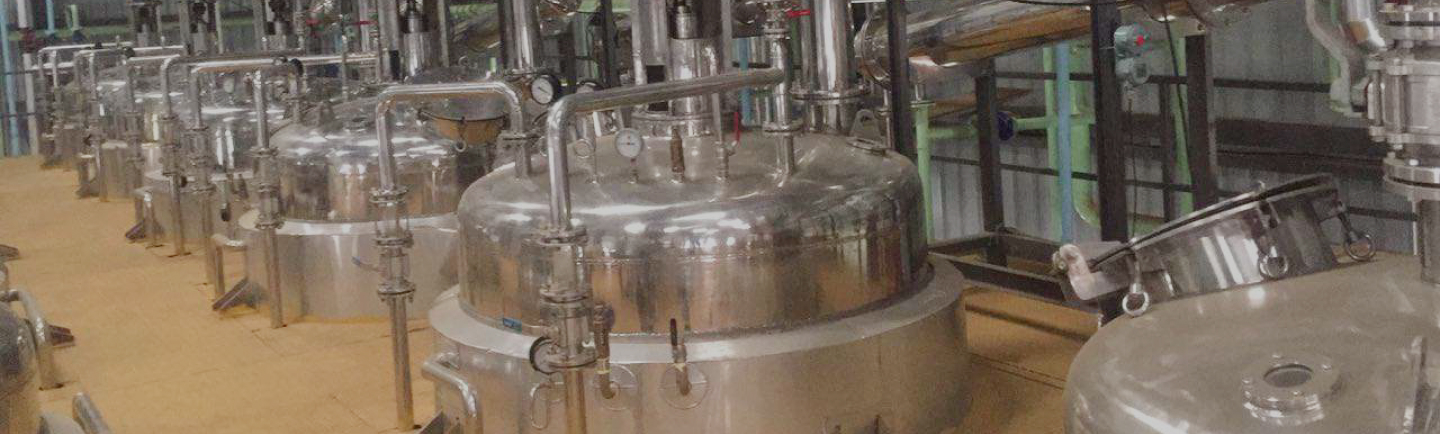
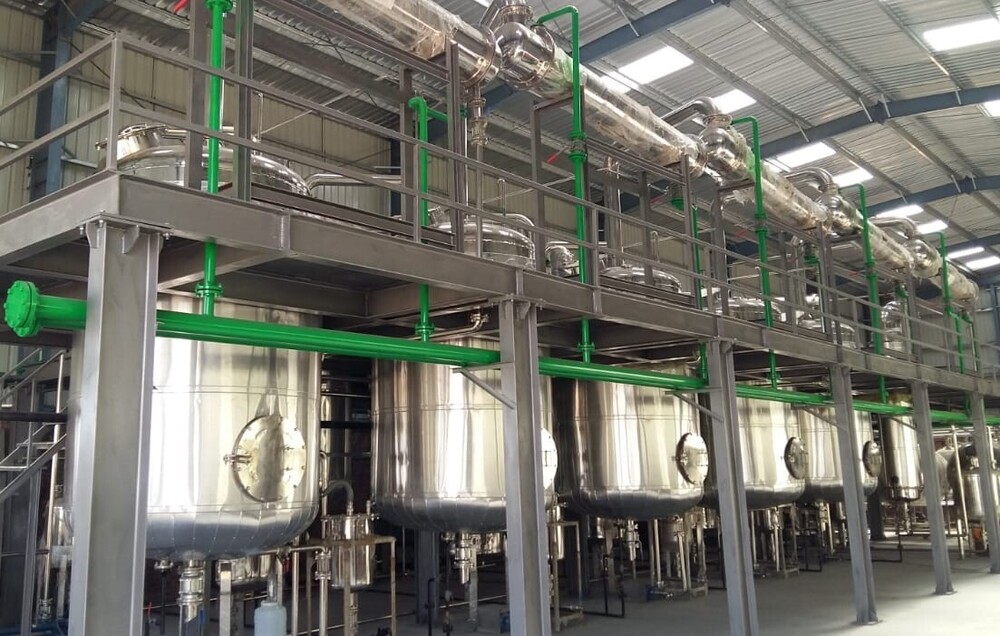
ATROPINE SULPHATE Extraction Plant
1000000 INR/Piece
Product Details:
- Product Type ATROPINE SULPHATE Extraction Plant
- General Use Industrial extraction of atropine sulphate from natural plant sources
- Material Stainless Steel (SS304/SS316)
- Capacity 200-2000 kg/day (customizable on request)
- Type Extraction & Processing Line
- Weight (kg) 3500-8500 kg (depending on capacity)
- Computerized Yes
- Click to View more
X
ATROPINE SULPHATE Extraction Plant Price And Quantity
- 1000000 INR/Piece
- 1 Piece
ATROPINE SULPHATE Extraction Plant Product Specifications
- Corrosion resistant, GMP & CE certified, Energy-efficient, Closed system extraction
- Metallic Silver (customized painting on request)
- 6500 mm x 2300 mm x 3700 mm
- 380-440 V, 3 Phase, 50/60 Hz
- Industrial extraction of atropine sulphate from natural plant sources
- Yes
- ATROPINE SULPHATE Extraction Plant
- Heavy duty industrial motors; power: 15-25 kW
- 200-2000 kg/day (customizable on request)
- 3500-8500 kg (depending on capacity)
- Fully Automatic
- Extraction & Processing Line
- Stainless Steel (SS304/SS316)
- PLC-based control system with HMI interface
- Automated discharge and CIP-ready design
- Integrated vacuum dryer or spray dryer
- Pharmaceuticals, laboratories, botanical research, chemical industries
- On-site support provided
- 40C-90C
- Spare parts, technical consulting, operator training
- Multi-stage filtration including bag and cartridge filters
- Overload protection, emergency shutdown, interlock system
- GMP, CE, ISO9001 certified manufacturing
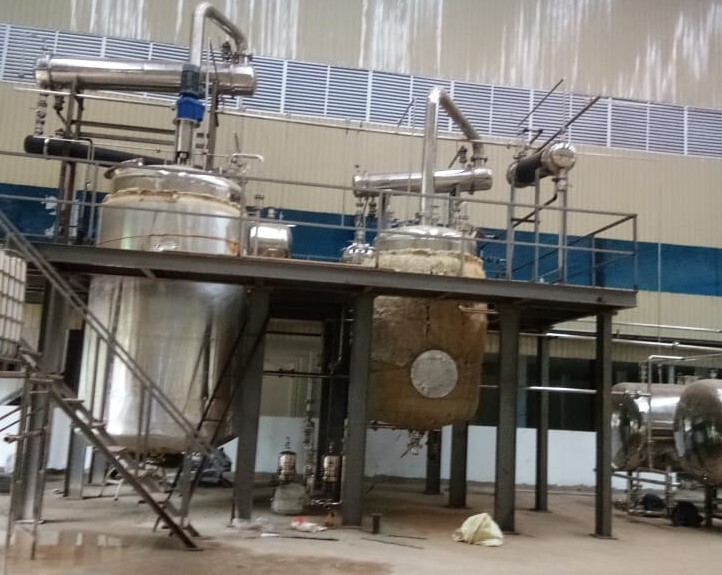
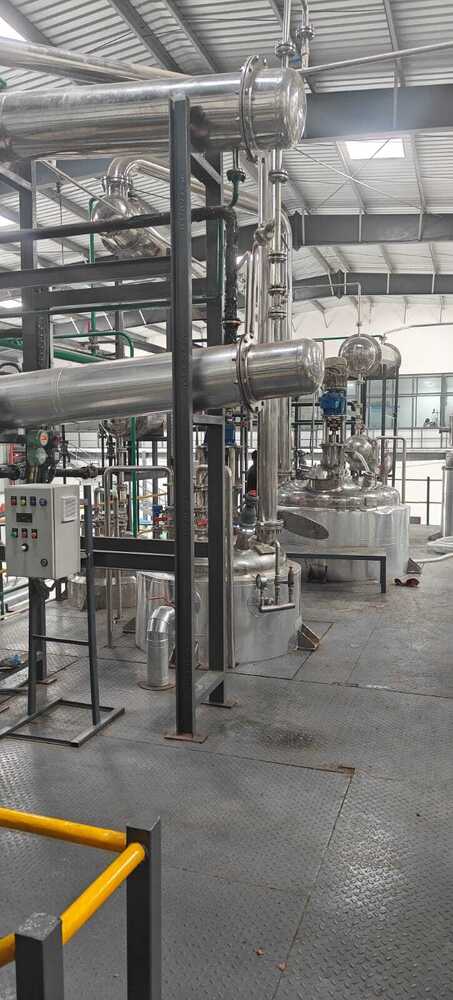
- Multiple extraction tanks with jacketed heating and agitation
- Solvent extraction and purification
Product Description
A Citronella Oil Steam Distillation Plant is a facility designed specifically for the extraction of citronella oil through the process of steam distillation Citronella oil is derived from the leaves and stems of certain species of Cymbopogon grass primarily Cymbopogon nardus and Cymbopogon winterianus Its widely known for its insectrepellent properties and is commonly used in various products such as candles soaps lotions and insect repellents
Heres a basic description of the components and processes typically found in a Citronella Oil Steam Distillation Plant
Steam Generator This is where water is heated to produce steam The steam is then passed through the plant material to extract the essential oil
Extraction Vessel The plant material citronella grass is loaded into the extraction vessel Steam is then introduced into the vessel causing the oil glands in the plant material to burst and release the essential oil
Condenser After the essential oil is vaporized by the steam it passes into a condenser where it is cooled and liquefied This results in the separation of the essential oil from the steam
Separator Once condensed the essential oil separates from the water and is collected The water known as the hydrosol or floral water can also be collected separately
Storage Tanks The collected citronella oil is stored in tanks until it is ready for further processing or distribution
Quality Control Throughout the distillation process quality control measures are implemented to ensure the purity and potency of the extracted citronella oil This may include testing for factors such as aroma color and chemical composition
ByProducts Handling Byproducts of the steam distillation process such as spent plant material and hydrosol are managed appropriately The spent plant material can often be repurposed as compost or animal feed while the hydrosol may be utilized in various applications such as aromatherapy or as a secondary product
Safety Systems Safety measures are in place to prevent accidents such as overheating pressure buildup or leaks of steam and essential oil
Overall a Citronella Oil Steam Distillation Plant is a sophisticated facility designed to efficiently and effectively extract citronella oil from raw plant material while maintaining product quality and safety standards
Advanced Extraction Technology
The plant leverages a closed solvent extraction system with precise temperature and agitation control, ensuring optimal yield and purity. Jacketed vessels and energy-efficient motors enable consistent operation, while corrosion-resistant stainless steel construction guarantees robust performance in demanding industrial settings.
Integrated Safety and Compliance
Safety is paramount, with features such as overload protection, emergency shutdown, and interlock systems. The plant is constructed under GMP, CE, and ISO9001-certified manufacturing practices, ensuring compliance with international industry standards for quality and safety.
Customizable and User-Friendly Operation
This fully automatic extraction line incorporates a PLC-based control system with HMI for intuitive monitoring and adjustments. Offered in various capacities and configurations, it can be tailored to specific user requirements, ensuring suitability for a wide range of industrial applications.
FAQ's of ATROPINE SULPHATE Extraction Plant:
Q: How does the ATROPINE SULPHATE Extraction Plant process raw material into finished product?
A: The plant uses a solvent extraction process to separate atropine sulphate from natural plant sources. Raw plant material is loaded into multiple jacketed extraction tanks, where controlled heating and agitation enable efficient extraction. The solution is then purified through multi-stage filtration and dried using either a vacuum dryer or spray dryer, resulting in a high-purity finished product.Q: What are the main benefits of using this fully automatic extraction line?
A: Key benefits include high extraction efficiency, consistent product purity, automated residue handling, and reduced labor requirements. The closed-system design enhances safety and minimizes contamination, while PLC-based controls and HMI interfaces facilitate precise operation and broad operational flexibility.Q: When should the maintenance and cleaning processes be performed?
A: Regular maintenance should be conducted according to usage frequency and manufacturer guidelines. The extraction system includes automated residue discharge and is CIP (Clean-In-Place) ready, allowing for thorough cleaning without dismantling, thereby reducing downtime and ensuring compliance with GMP standards.Q: Where is this plant typically installed and what industries commonly use it?
A: The ATROPINE SULPHATE Extraction Plant is typically installed in pharmaceutical production facilities, laboratories, botanical research centers, and chemical industries. It is suitable for organizations specializing in the industrial extraction and processing of plant-based alkaloids.Q: What types of control systems are integrated for operation and safety?
A: A PLC-based control system with an intuitive HMI interface monitors and manages all critical parameters, including temperature, process timing, and safety functions. Safety is ensured with overload protection, emergency shutdown, and interlock mechanisms.Q: How can the plant's capacity and configuration be customized?
A: The extraction plant is available in a range of capacities from 200 to 2000 kg per day, with customizable options for extraction vessels, drying methods, and control features. Customers can discuss their specific needs with the manufacturer to design a plant that meets their operational requirements.Tell us about your requirement

Price:
Quantity
Select Unit
- 50
- 100
- 200
- 250
- 500
- 1000+
Additional detail
Mobile number
Email

Other Products in 'SOLVENT EXTRACTION PLANT' category

Mech O Tech LLP
GST : 36ABYFM4488P1ZW
GST : 36ABYFM4488P1ZW

- SY No.495, BASARAGADI VILLAGE, MEDCHAL MALKAJGIRI,Hyderabad - 501401, Telangana, India
- Phone : 07971190506

- Mr Srinivasa Rao (Designated Partner)
- Mobile :07971190506
- Send Inquiry
 Send Inquiry
Mech O Tech LLP
All Rights Reserved.(Terms of Use)
Developed and Managed by Infocom Network Private Limited.
Developed and Managed by Infocom Network Private Limited.

